SYSTEM_STATUS: ONLINE
THE CARTRIDGE ERA: MAGIC OF FIRST MEDIA
Exploring the physical legacy of Dendy and Sega. From the ritual of blowing into pins to the schoolyard networks of game trading in the 90s.
Exploring the physical legacy of Dendy and Sega. From the ritual of blowing into pins to the schoolyard networks of game trading in the 90s.
Welcome to the IronTreasureCrown digital repository, a specialized archive dedicated to the physical magic of the cartridge era. In the 90s, gaming wasn't just about software; it was a tactile experience. Each cartridge held a universe of code protected by plastic shells and silicon boards. Our mission is to document the history of these legendary carriers, from the 8-bit wonders of Dendy to the 16-bit powerhouses of Sega.
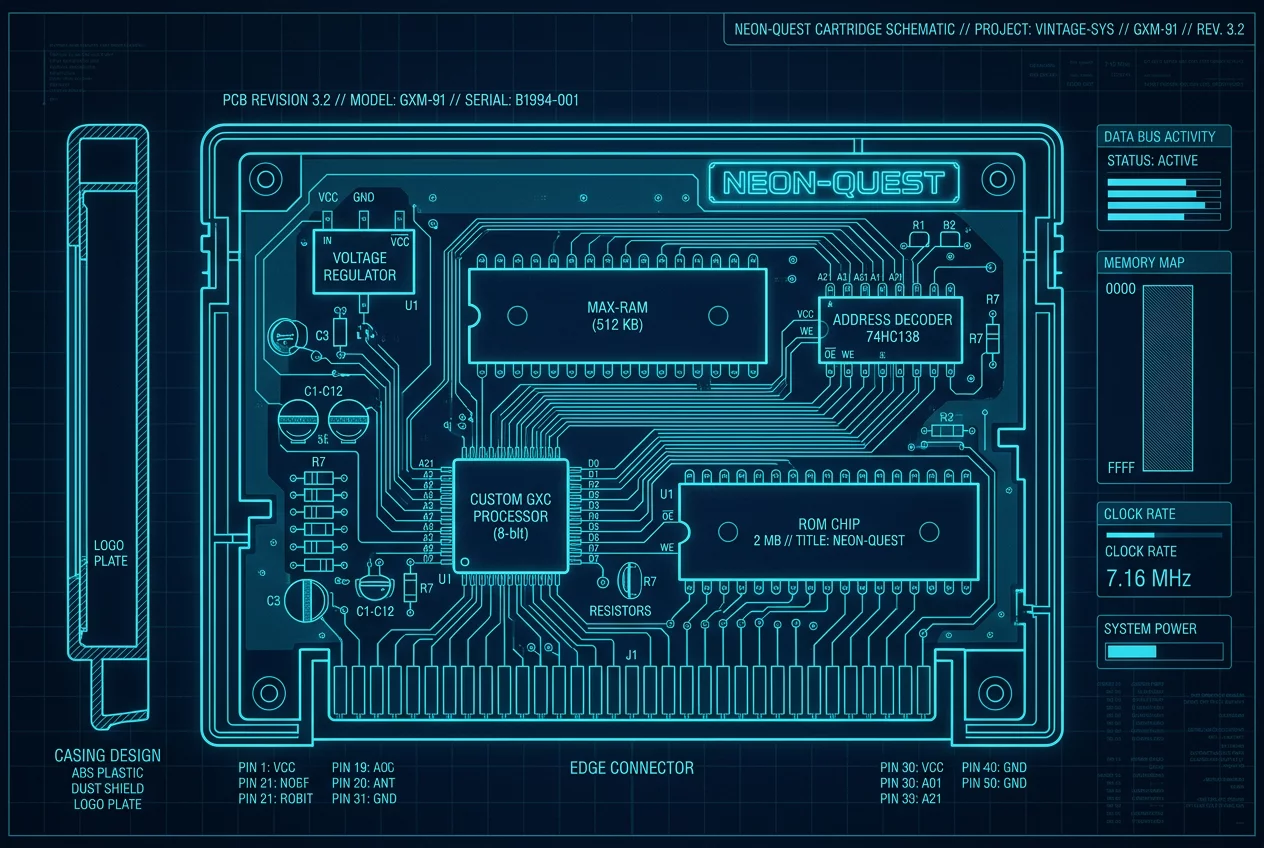
Deep dives into PCB designs, memory chips, and the legendary pin connectors that defined a generation.
Reliving the schoolyard exchanges and the ritual of blowing into cartridges to keep the crown of gaming alive.
Decoding the silicon heart of the 90s gaming era.
The green printed circuit boards (PCB) inside cartridges weren't just carriers; they were the console's external memory. Every chip was hardwired to specific address lines, ensuring instant data access without load times.
Why did we reseat cartridges? Oxidation on the gold-plated pins often created micro-gaps in the circuit. A physical re-insertion would scrape away microscopic debris, restoring the 8-bit or 16-bit handshake.
In the 90s, cartridges were social currency. The lack of online infrastructure meant physical exchanges were the only way to experience the full library of Dendy and Sega classics among local player communities.
Before the era of online multiplayer and digital storefronts, the local playground was the ultimate hub for gaming discovery. In this high-stakes analog marketplace, cartridges were the currency and information was power.
Securing a rare title or a legendary multicart was the equivalent of holding the crown in your social circle. These physical trades weren't just swaps; they were social contracts that defined the 90s gaming culture, bridging the gap between hardware and community.
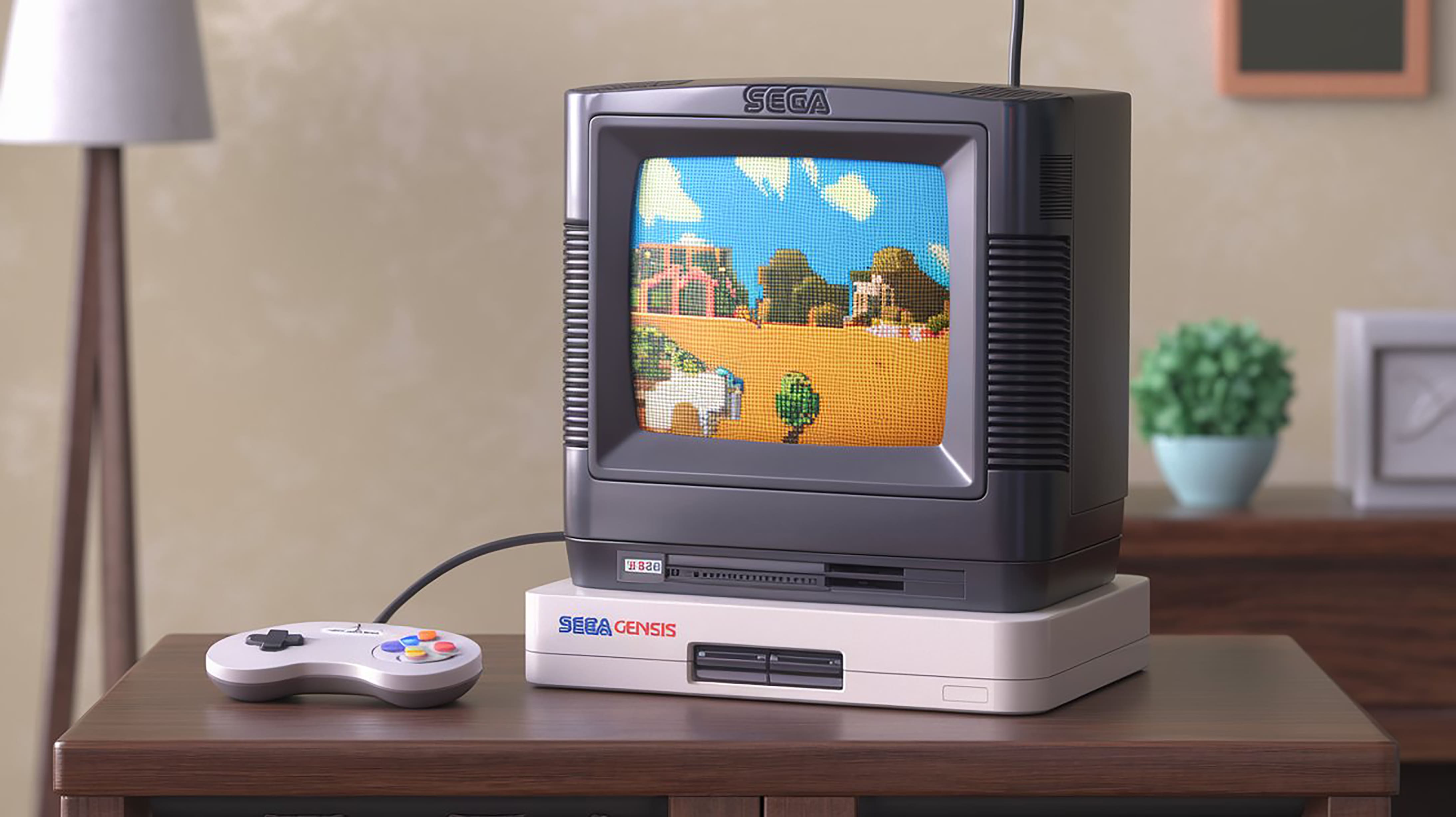
How kids built their own networks of game exchanges in the pre-internet era.
Read More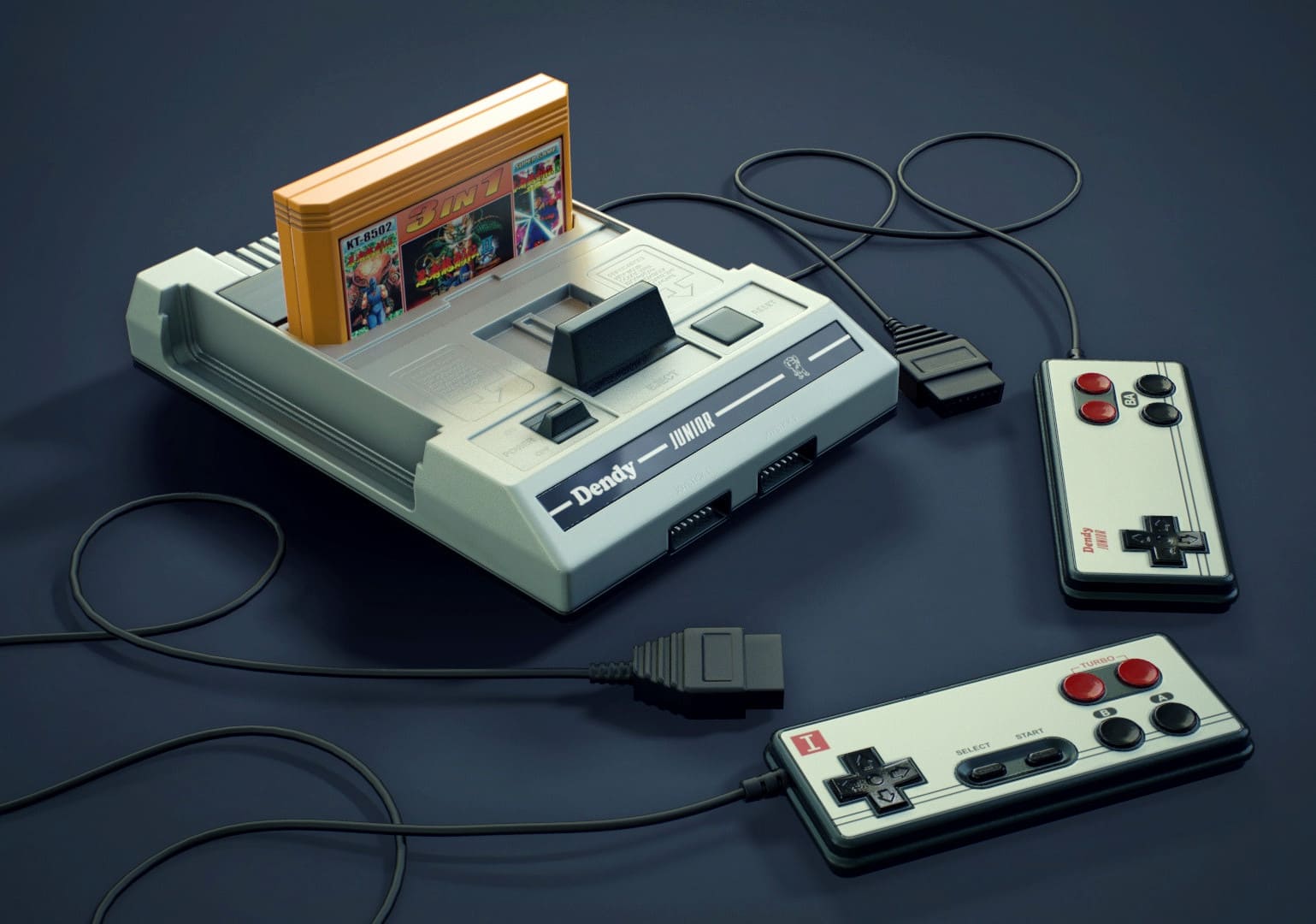
The famous myth of blowing into cartridges to make them work and its reality.
Read More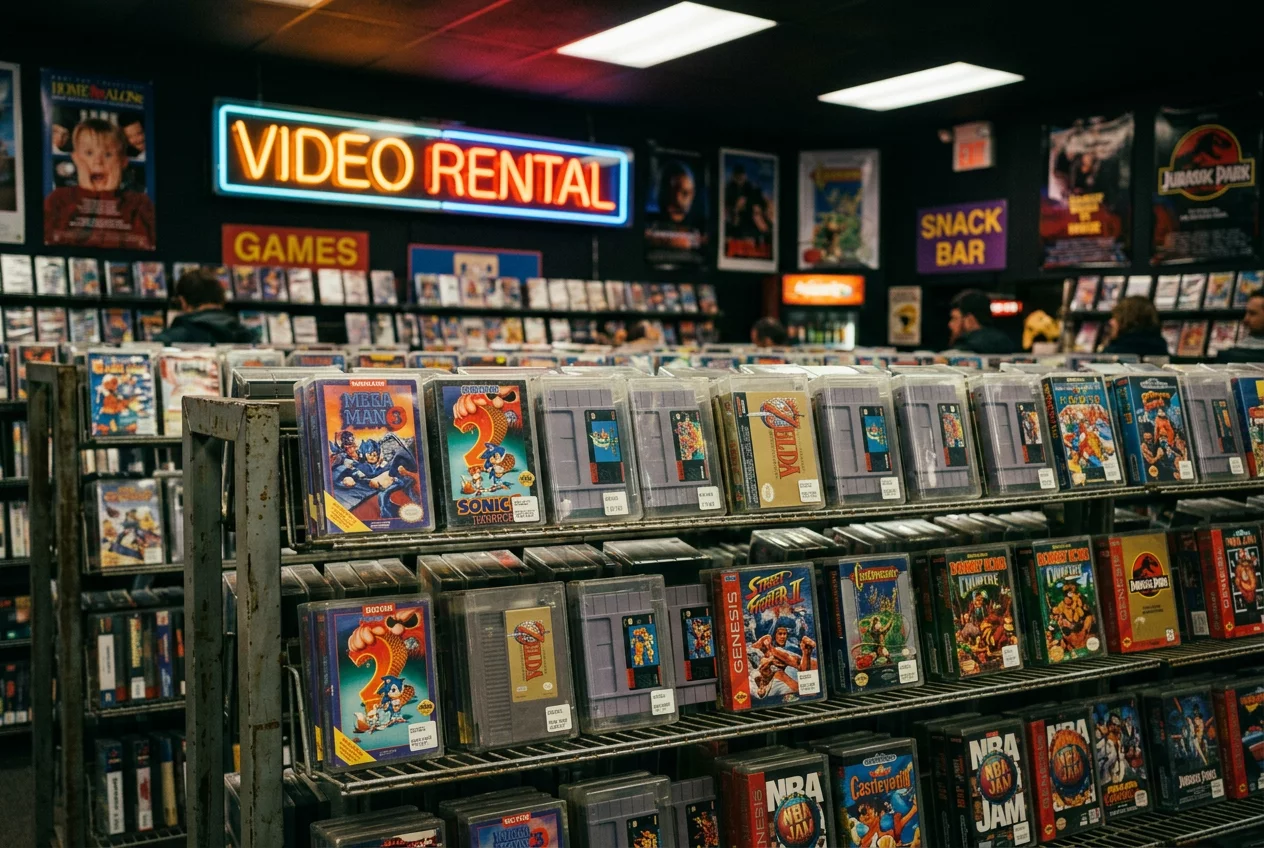
The excitement of Friday night video rental stores and testing new releases.
Read More