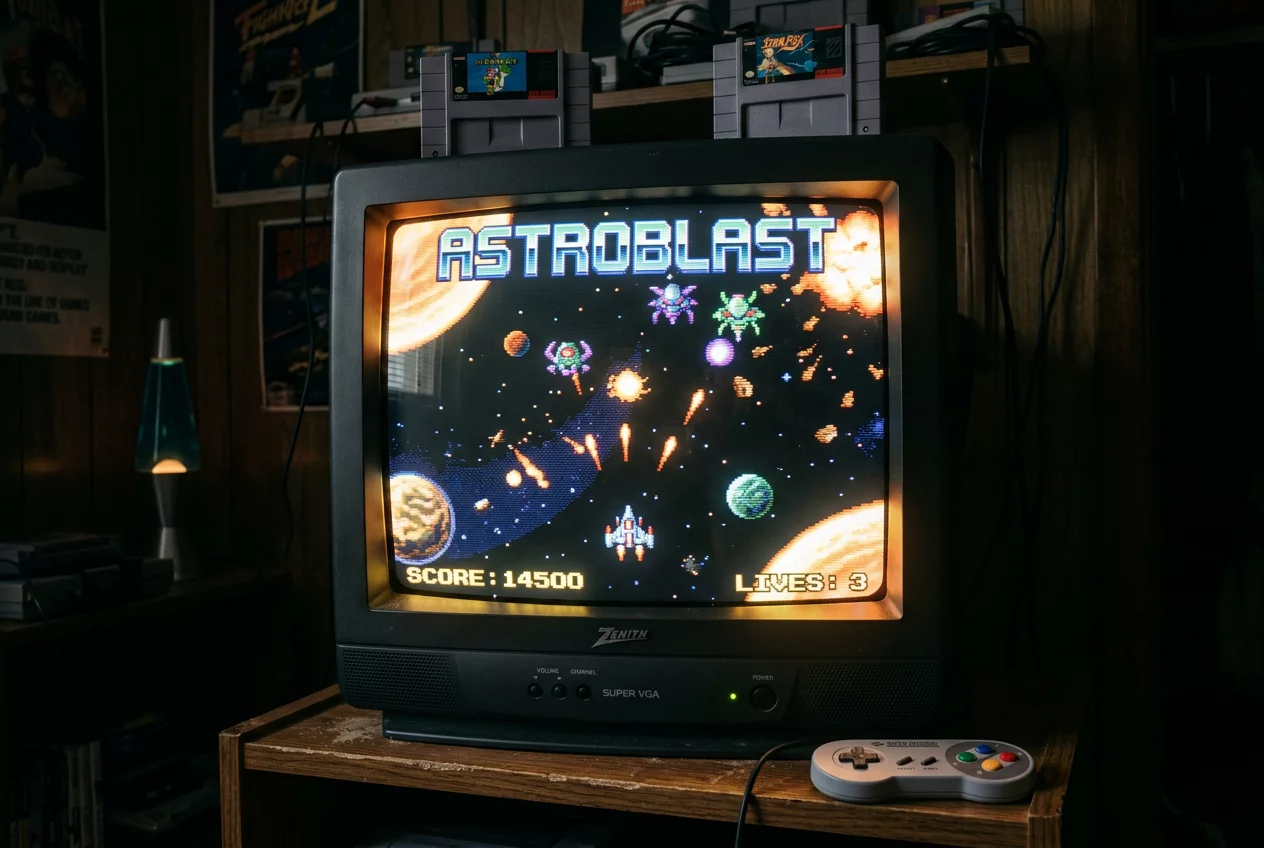
In the vibrant era of 8-bit and 16-bit gaming, action titles were the ultimate test of hardware endurance. Developers often found themselves fighting a war against the silicon itself. The most notorious bottleneck was the sprite limit per scanline. On classic 8-bit systems, the hardware could only process a specific number of moving objects on a single horizontal line of the display. When a player encountered a screen filled with enemies, projectiles, and power-ups, the console struggled to render them all simultaneously. This resulted in the iconic sprite flickering, where characters would blink in and out of existence as the software rapidly alternated which sprites to draw each frame.
Another significant hurdle was the processing slowdown. Unlike modern systems that drop frames while maintaining game speed, retro consoles tied game logic directly to the vertical blanking interval. When the CPU was overwhelmed by complex AI routines or massive boss sprites composed of multiple smaller tiles, the entire game engine would physically slow down. This unintended "slow-motion" effect actually became a strategic element for players in fast-paced shooters, providing a precious few extra milliseconds to navigate through dense patterns of enemy fire.
Memory management also dictated level design. Cartridges had tiny storage capacities, often measured in mere kilobytes. To create expansive worlds, programmers employed tile-based rendering and bank switching. This allowed them to swap chunks of memory on the fly, effectively tricking the console into accessing more data than its architecture was designed to handle. These technical compromises didn't just limit games; they defined their unique aesthetic and rhythmic feel, creating a signature style that modern "neo-retro" titles still try to emulate today.
USER FEEDBACK
No data logs found in this sector. Be the first to contribute to the archive.
SUBMIT DATA LOG